
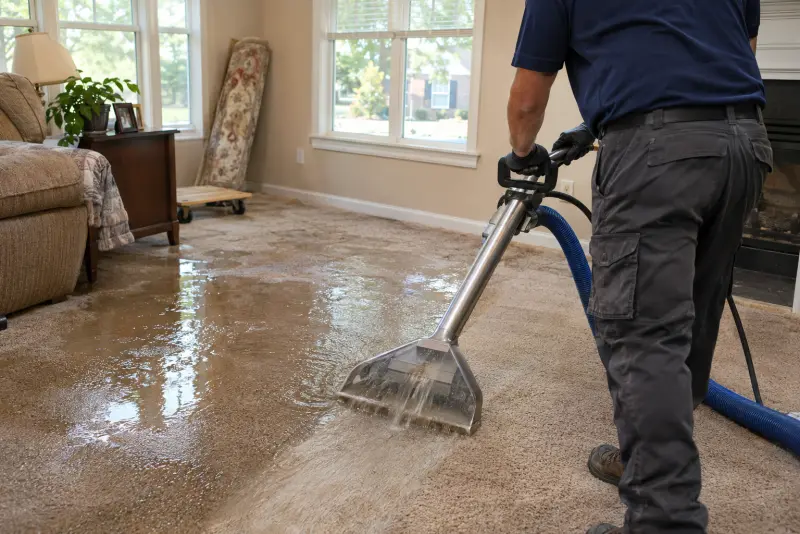
Emergency Water Extraction
Standing water removed before it reaches drywall, trim and stored belongings.
Get help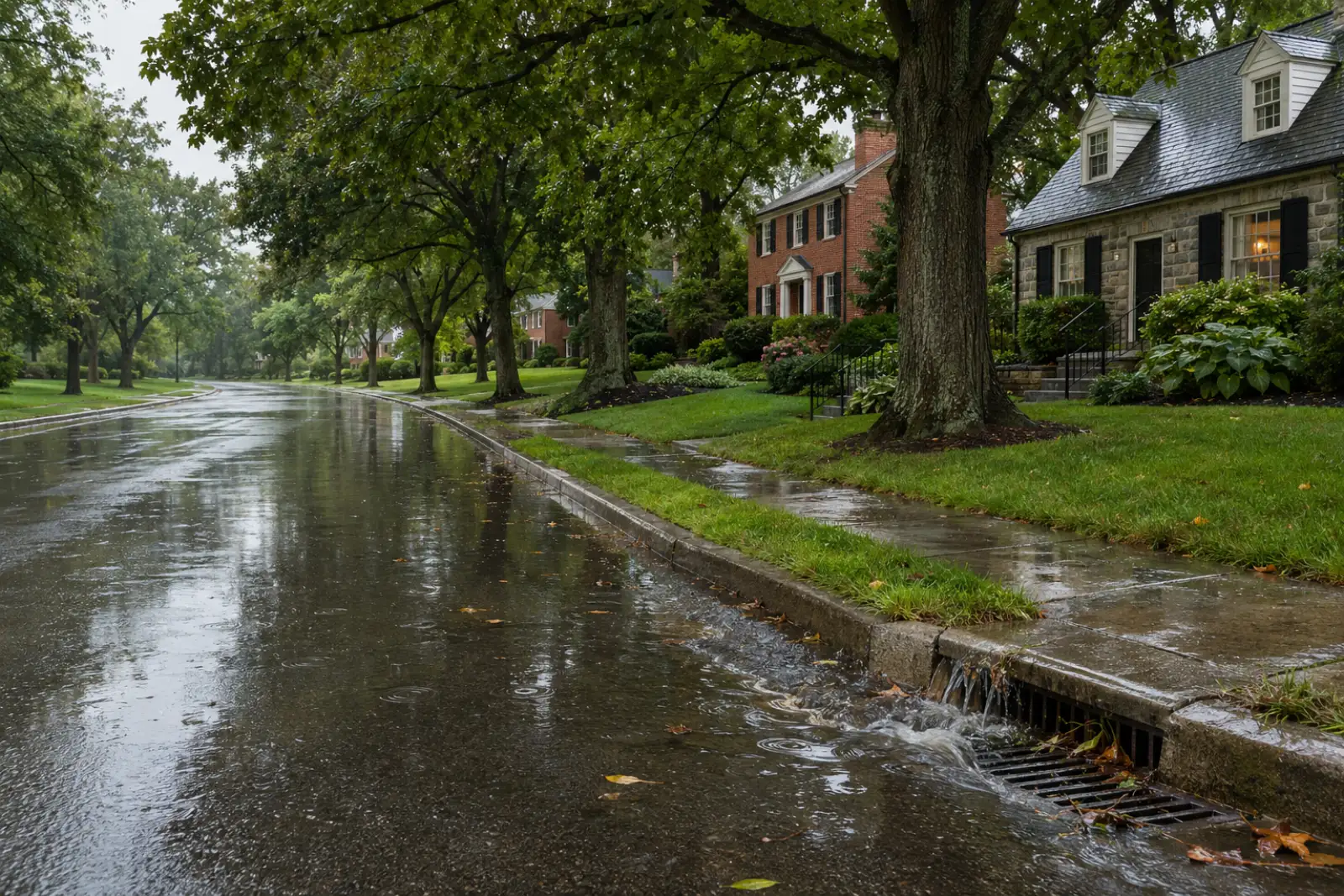
Cartersville combines a historic downtown, established neighborhoods and new growth along I-75. Older plumbing and low-lying ground near the river account for most of the water we see.
Call (470) 697-0756 Or see how to reach dispatch. Calls are answered 24/7.Cartersville is the Bartow County seat, with a historic Main Street downtown, the Etowah River to the south and new residential and industrial growth along I-75 and Joe Frank Harris Parkway. Housing ranges from early 20th-century homes near downtown to mid-century ranches and recent subdivisions.
Older homes near downtown often have cast iron drains, galvanized supply lines and crawlspaces with limited ventilation. Mid-century ranches add slab leaks and original water heaters in closets and garages. Newer subdivisions bring attic air handlers and finished basements.
Low ground near the Etowah River and its creeks drains slowly after long rain. Storm runoff collects against foundations and in crawlspaces, and some low-lying properties see surface water during major storms.
Most Cartersville jobs start with one of these four failures.
Cast iron and clay drains in older homes scale, crack and take in roots. The first sign is a slow drain; the next is a backup at the lowest fixture.
Copper supply lines under slab foundations develop pinholes. Warm spots on the floor, a running meter with fixtures off or damp flooring point to a leak under the slab.
Low-lying lots near the river and creeks collect runoff. Crawlspaces fill, insulation drops and the subfloor stays wet until it is dried mechanically.
Water heaters in closets and garages, washing machine hoses and ice-maker lines fail under pressure. Clean water becomes a mold problem if it sits.
Fast extraction limits the damage. If water is still moving, shut off the main and call before moving furniture.
The same crew handles extraction, drying, contamination cleanup and the repair.
Standing water removed before it reaches drywall, trim and stored belongings.
Get help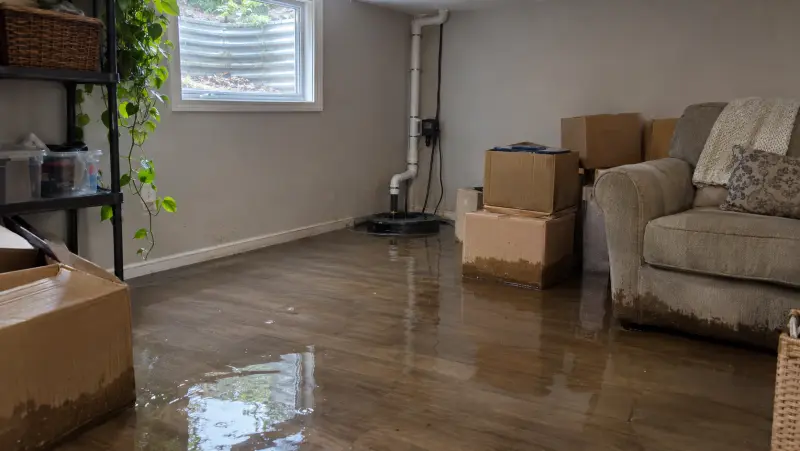
Hillside basements, wet crawlspaces and storm runoff against the foundation.
Get help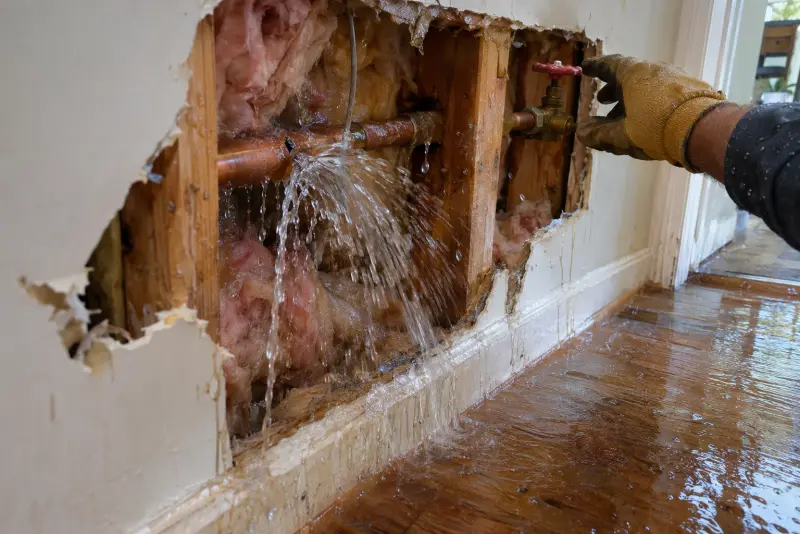
Hard-freeze splits, hidden wall leaks and ceiling stains traced to the source.
Get help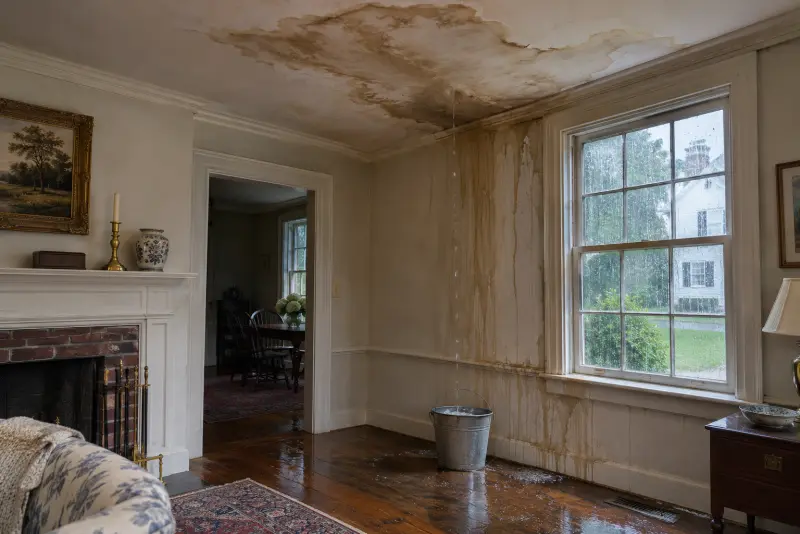
Wind-driven rain, fallen limbs and ceiling leaks after a north Georgia thunderstorm.
Get help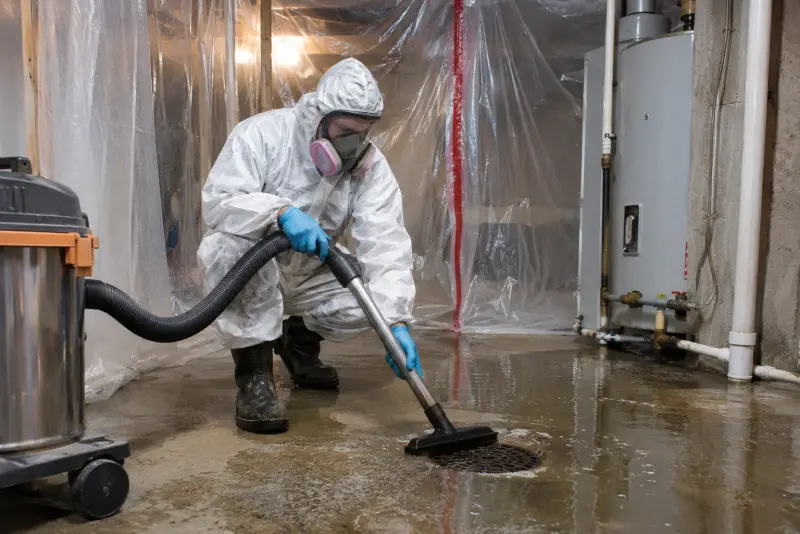
Contaminated water handled with containment, PPE and proper disinfection.
Get help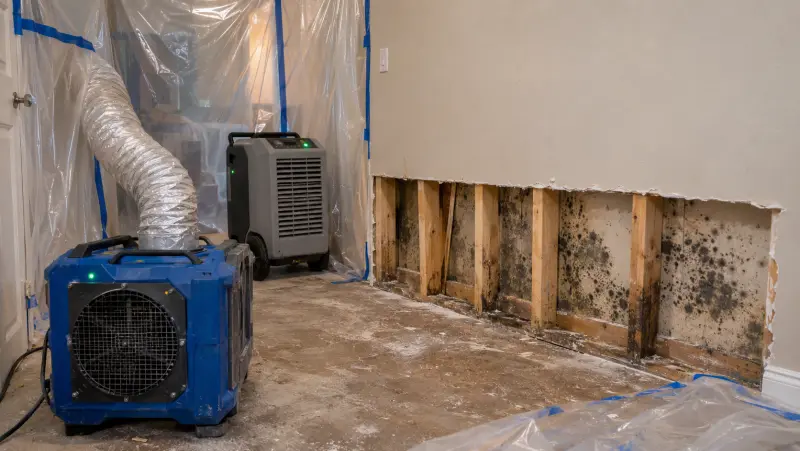
Containment, HEPA filtration and repairs after the structure is dry.
Get helpLocal knowledge matters when the housing stock changes block by block.
30120 · Historic homes and storefronts. Cast iron drains, older roofs and crawlspace moisture.
30120 · Established residential streets. Galvanized supply lines, tree roots and lateral backups.
30120 · Lower ground near the river. Slow drainage, crawlspace water and storm runoff.
30121 · Newer subdivisions and commercial sites. Attic condensate leaks and supply-line failures.
30120 · Retail and commercial properties. Flat roofs, sprinkler lines and rooftop units.
30121 · Homes toward the lake and Red Top Mountain. Wooded lots, humidity and storm damage.
These are the signs that usually justify a moisture inspection rather than a wait-and-see approach.
Send a photo or describe what changed. We will tell you whether it needs a visit today.
Call now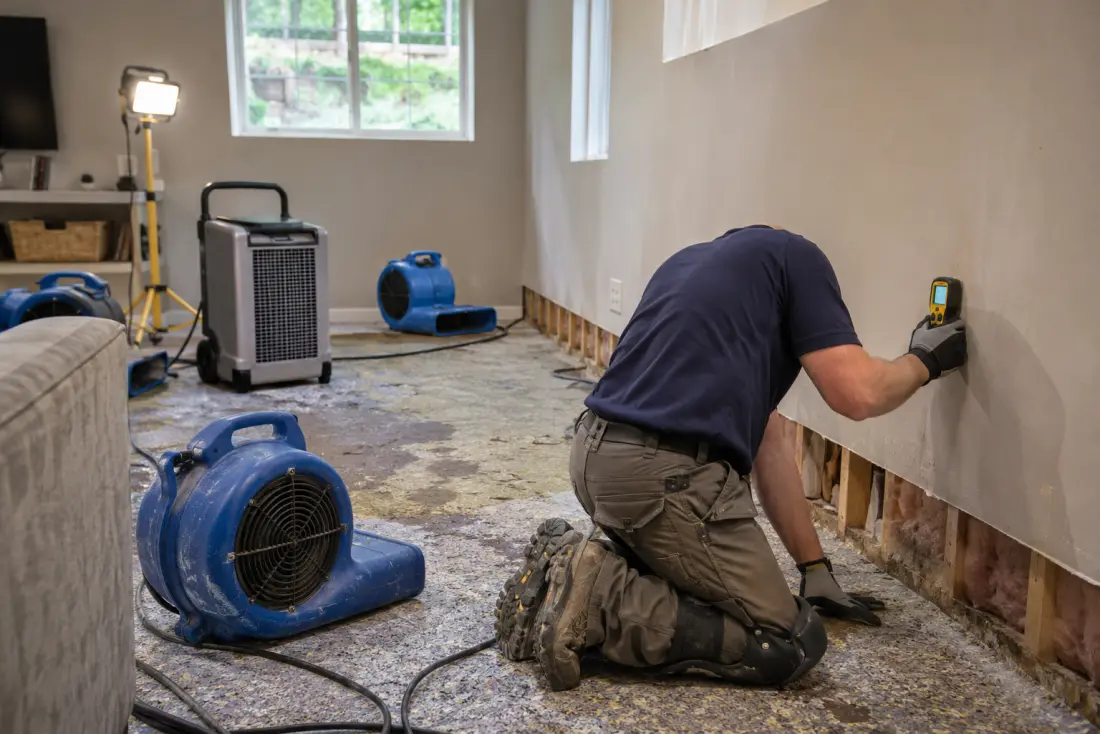
No mystery, no pressure. Here is the sequence from the first call to the final reading.
We confirm the address, the source and whether the water is contaminated. You get safety guidance before the crew leaves.
Moisture meters and thermal imaging map the affected area. We photograph materials and record readings.
Standing water is extracted. Saturated carpet, pad and material that cannot dry in place are removed and documented.
Equipment is sized to the space and checked daily. Drying continues until readings meet the dry standard.
Drywall, trim, flooring and paint are scoped after drying and insurance review.
We reach Cartersville up I-75 from Acworth and Emerson, then along Main Street, Highway 20 and Joe Frank Harris Parkway. Downtown, the river side and the newer subdivisions are all within reach.
Historic downtown homes may have plaster walls and original hardwood. Tell dispatch, and we will plan drying to protect original materials where possible.
Use the map link for the general area. For a crew response, call and give the exact address, gate code and any access notes.
Open area mapLocal answers, not a national script.
Common signs are a water meter that moves with every fixture off, warm spots on the floor, damp carpet with no visible source or a sudden jump in the water bill. A plumber confirms the leak; we dry and repair the affected flooring and walls.
Yes. Sewage is category 3 water. We contain the area, remove contaminated porous materials, disinfect and dry the structure.
Yes. We remove standing water, pull wet insulation, set dehumidifiers under the house and monitor the joists and subfloor until they read dry.
Yes. We provide moisture maps, photos, daily readings and a scope of affected materials. The coverage decision remains with your carrier.
Request service
Call for active water, estimates, scheduling and questions. If water is near outlets, a panel or a gas appliance, leave the area and call from a safe place.
One call gets you shutoff guidance, an arrival window and a plan for Cartersville. Have your address and any insurance claim number ready.
Call (470) 697-0756Tap to call from your phone.
Call now. We will tell you what to shut off, what to move and what to leave alone until the crew arrives.
Call (470) 697-0756