
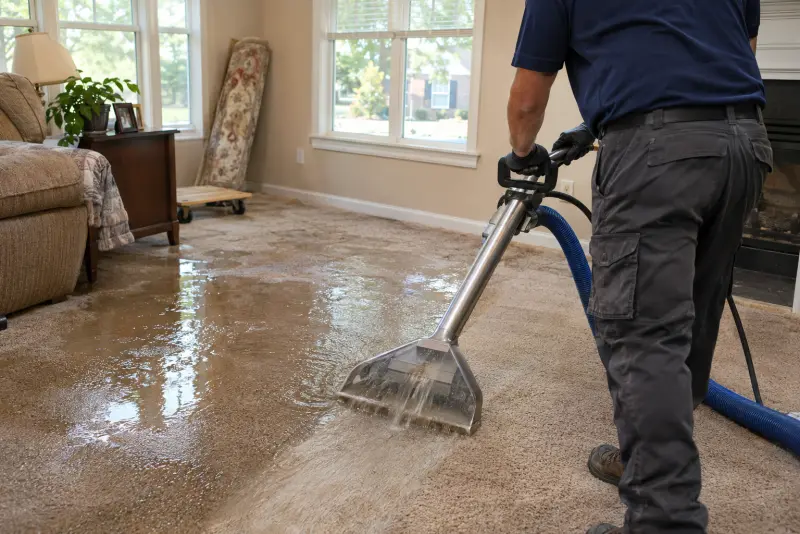
Emergency Water Extraction
Standing water removed before it reaches drywall, trim and stored belongings.
Get help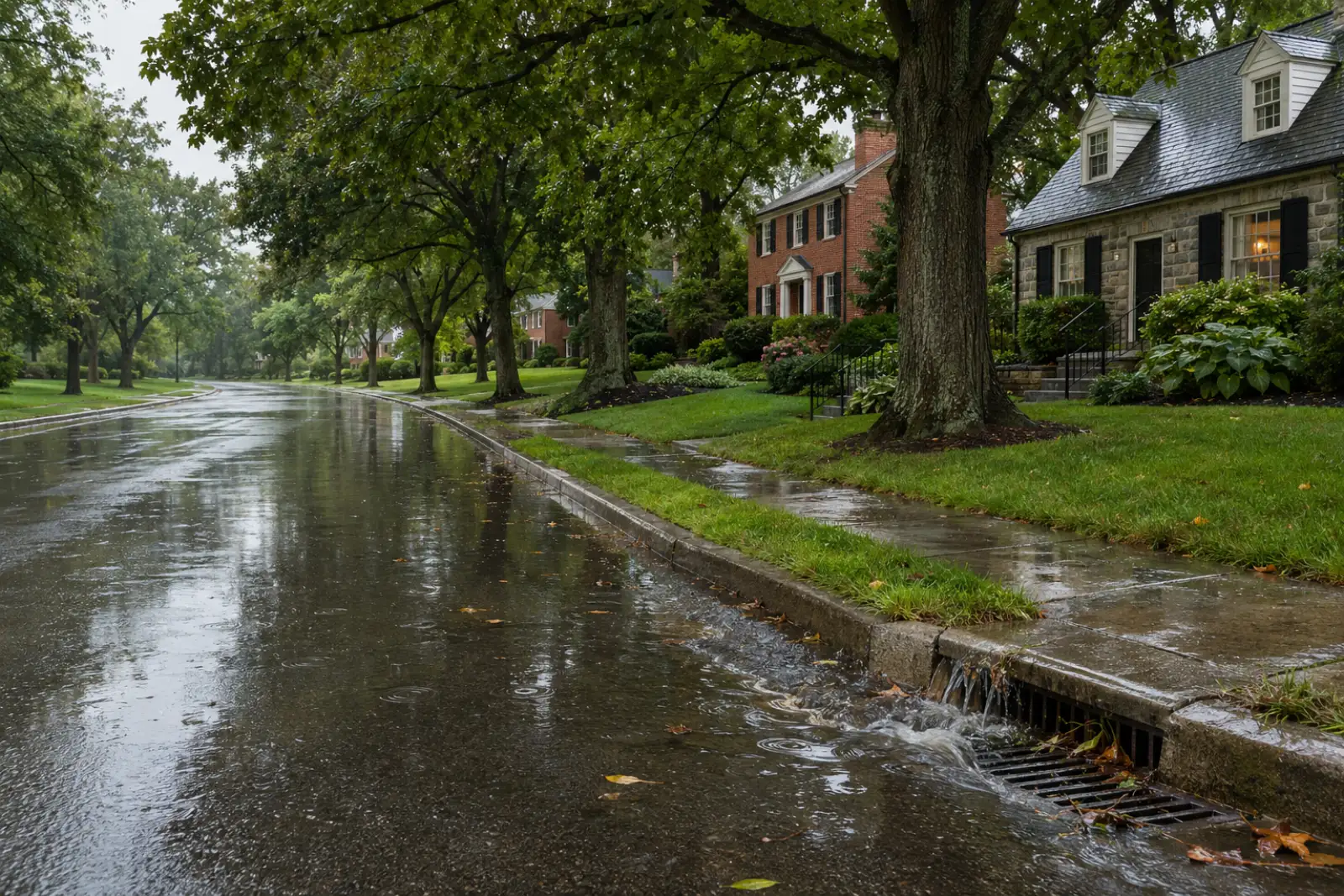
Dallas grew quickly on rolling Paulding County land. Many homes sit on crawlspaces or hillside basements, and some still rely on septic.
Call (470) 697-0756 Or see how to reach dispatch. Calls are answered 24/7.Dallas is the Paulding County seat, with a small historic downtown, the Silver Comet Trail running nearby and subdivisions spreading out along Highway 278, Highway 61 and the Dallas Acworth Highway. Much of the housing went up from the 1990s onward on rolling, wooded lots.
That terrain shapes the water problems. Homes on slopes often have walk-out basements with a buried uphill wall, and many others sit on vented crawlspaces that collect water and humidity. Red clay drains slowly, so runoff from a summer storm can sit against a foundation for days.
Outside the sewer service area, many properties are on septic. A saturated drain field after heavy rain can push wastewater back into the house, which is a category 3 loss that needs containment and disinfection.
Most Dallas calls trace back to one of these four problems.
Vented crawlspaces collect runoff and humid air. Wet insulation falls from the joists, the subfloor swells and hardwood cups above it. Drying needs dehumidification under the house, not just fans.
A saturated or failing drain field pushes wastewater back toward the lowest fixture. The water is contaminated, so affected porous material is removed and the area disinfected.
Walk-out basements have a buried uphill wall. Red clay holds water against it, and seepage shows at the base of the wall or through cracks after heavy rain.
Wooded lots mean limbs on roofs after thunderstorms. Once the roof is breached, water runs through attic insulation and into ceilings and walls below.
Tell dispatch whether you are on septic or sewer and whether the house has a crawlspace or basement. Those two facts change the equipment we bring.
The same crew handles extraction, drying, contamination cleanup and the repair.
Standing water removed before it reaches drywall, trim and stored belongings.
Get help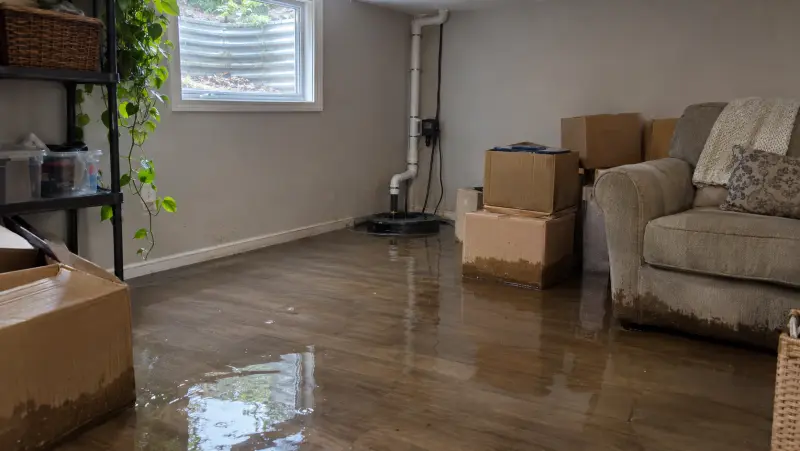
Hillside basements, wet crawlspaces and storm runoff against the foundation.
Get help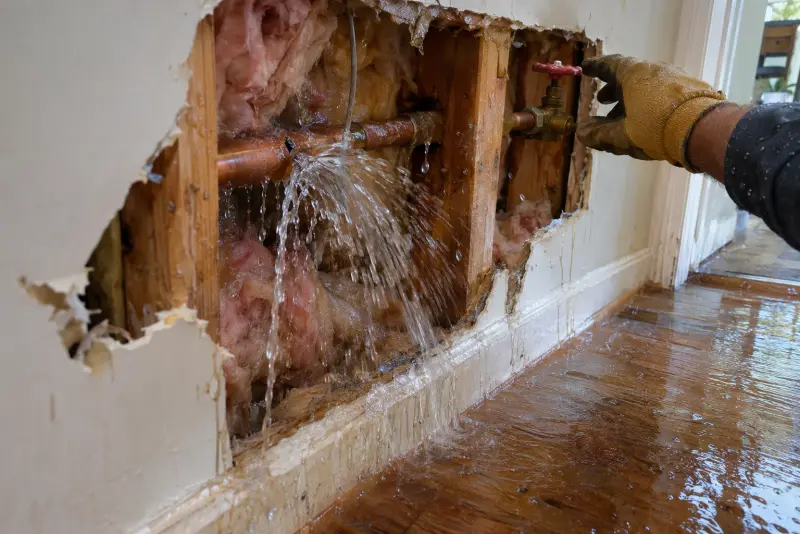
Hard-freeze splits, hidden wall leaks and ceiling stains traced to the source.
Get help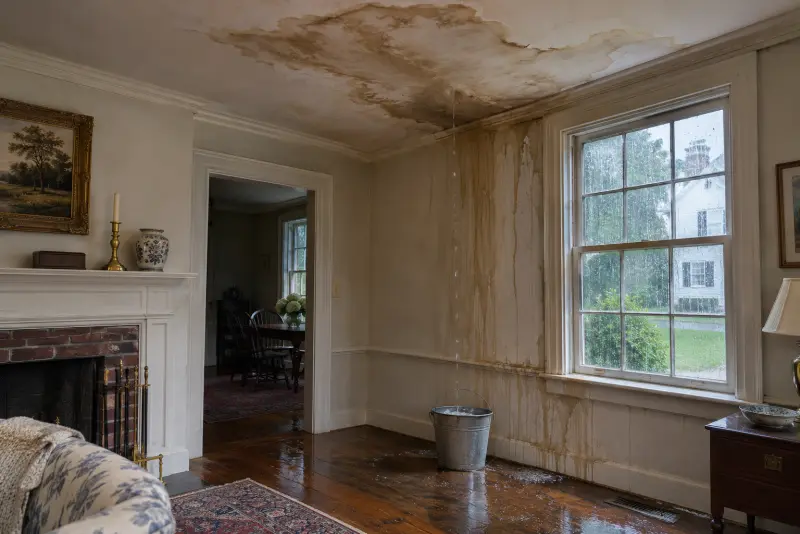
Wind-driven rain, fallen limbs and ceiling leaks after a north Georgia thunderstorm.
Get help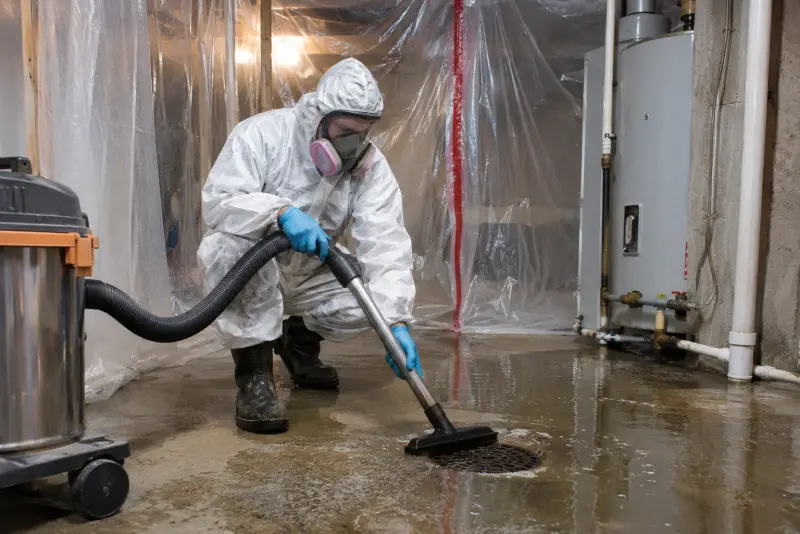
Contaminated water handled with containment, PPE and proper disinfection.
Get help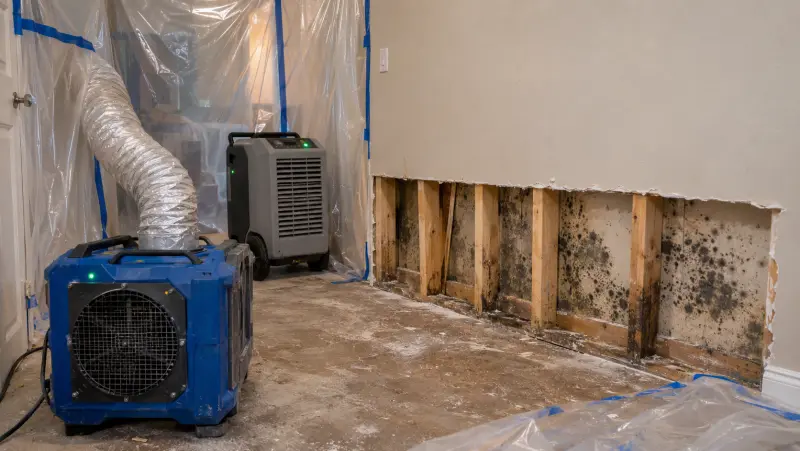
Containment, HEPA filtration and repairs after the structure is dry.
Get helpLocal knowledge matters when the housing stock changes block by block.
30132 · Older homes and storefronts near the courthouse. Aging drains, crawlspaces and roof leaks.
30132 · Retail and commercial properties. Flat roofs, rooftop units and supply-line breaks.
30132 · Planned community with basements on sloped lots. Sump pumps, water heaters and seepage.
30157 · Larger homes toward the Acworth side. Finished basements and attic condensate leaks.
30157 · Rural and suburban lots. Septic backups, well systems and crawlspace water.
30132 · Wooded subdivisions near the trail. Storm runoff, fallen limbs and roof damage.
These are the signs that usually justify a moisture inspection rather than a wait-and-see approach.
Send a photo or describe what changed. We will tell you whether it needs a visit today.
Call now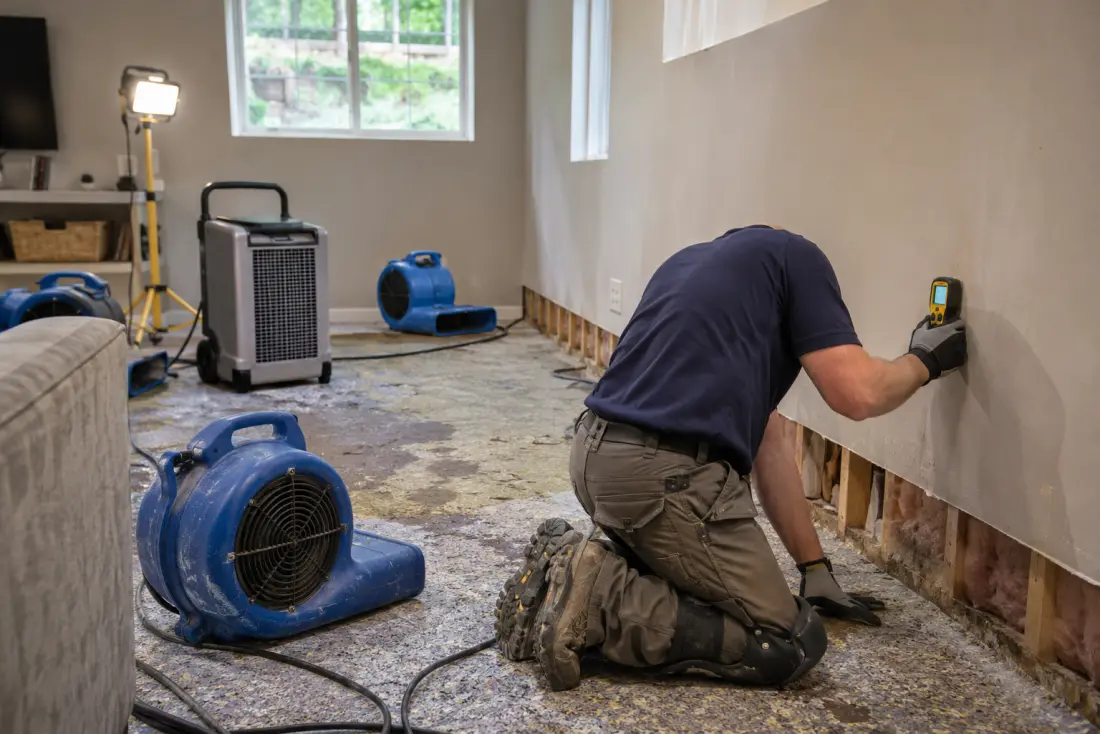
No mystery, no pressure. Here is the sequence from the first call to the final reading.
We confirm the address, the source and whether the water is contaminated. You get safety guidance before the crew leaves.
Moisture meters and thermal imaging map the affected area. We photograph materials and record readings.
Standing water is extracted. Saturated carpet, pad and material that cannot dry in place are removed and documented.
Equipment is sized to the space and checked daily. Drying continues until readings meet the dry standard.
Drywall, trim, flooring and paint are scoped after drying and insurance review.
We reach Dallas along the Dallas Acworth Highway from Acworth and via Highway 278 and Highway 61 for the southern and western sides. Downtown, Seven Hills and Bentwater are all straightforward.
Rural properties can have long driveways, gravel access or limited power at outbuildings. Tell dispatch before arrival so we bring the right hose lengths and generators if needed.
Use the map link for the general area. For a crew response, call and give the exact address, gate code and any access notes.
Open area mapLocal answers, not a national script.
Yes, and it is category 3 contaminated water. A septic contractor handles the tank and drain field; we contain the area, remove affected porous materials, disinfect and dry the structure.
Yes. Moisture under the house swells subfloor and causes hardwood to cup or buckle. We dry the crawlspace and subfloor, then reassess the flooring once readings stabilize.
Yes. Call with the address and access details. We bring generators and longer hose runs when power or driveway access is limited.
Yes. We provide moisture maps, photos, daily readings and a scope of affected materials. The coverage decision remains with your carrier.
Request service
Call for active water, estimates, scheduling and questions. If water is near outlets, a panel or a gas appliance, leave the area and call from a safe place.
One call gets you shutoff guidance, an arrival window and a plan for Dallas. Have your address and any insurance claim number ready.
Call (470) 697-0756Tap to call from your phone.
Call now. We will tell you what to shut off, what to move and what to leave alone until the crew arrives.
Call (470) 697-0756